 (954) 786-7535
Services
Concrete Restoration
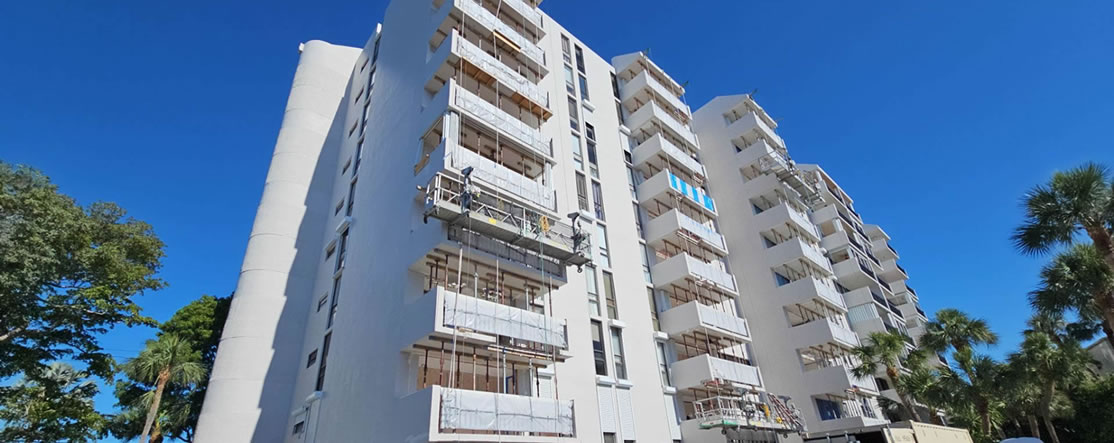
Concrete restoration involves the process of repairing and renovating deteriorated or damaged concrete structures. This entails assessing the extent of damage, identifying the underlying causes, and implementing suitable techniques to restore the concrete to its original functionality and appearance. It encompasses various methods such as patching, resurfacing, sealing, and reinforcing to enhance the durability and longevity of the concrete. The goal is to rejuvenate the structure, ensuring safety, stability, and aesthetic appeal while extending its lifespan.
Waterproofing
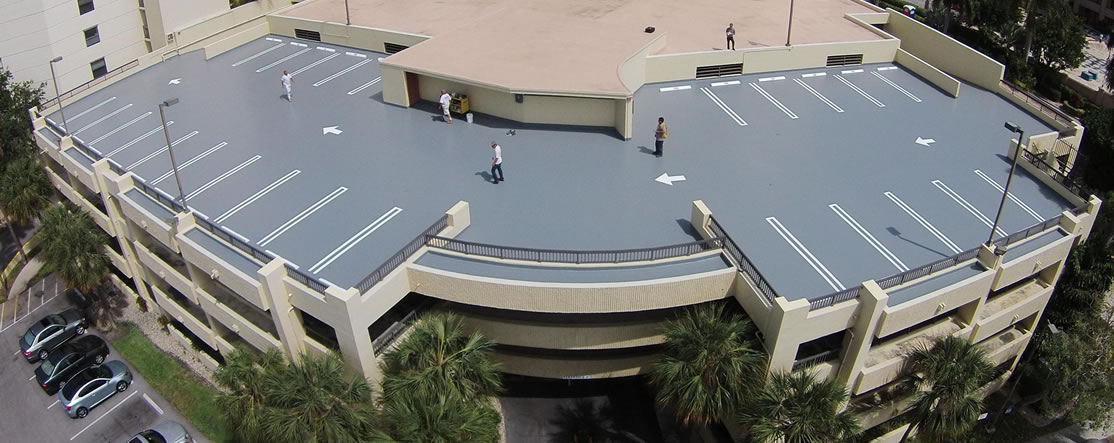
Waterproofing structures refers to the application of protective measures to prevent water penetration and damage to buildings or other constructions. This involves implementing techniques and materials to create a barrier against moisture, thereby safeguarding the integrity of the structure. Waterproofing methods include the use of membranes, coatings, sealants, and drainage systems, tailored to the specific needs and conditions of the building. The primary aim is to mitigate risks associated with water infiltration, such as mold growth, structural deterioration, and interior damage, ensuring longevity, safety, and sustainability of the structure.
Painting
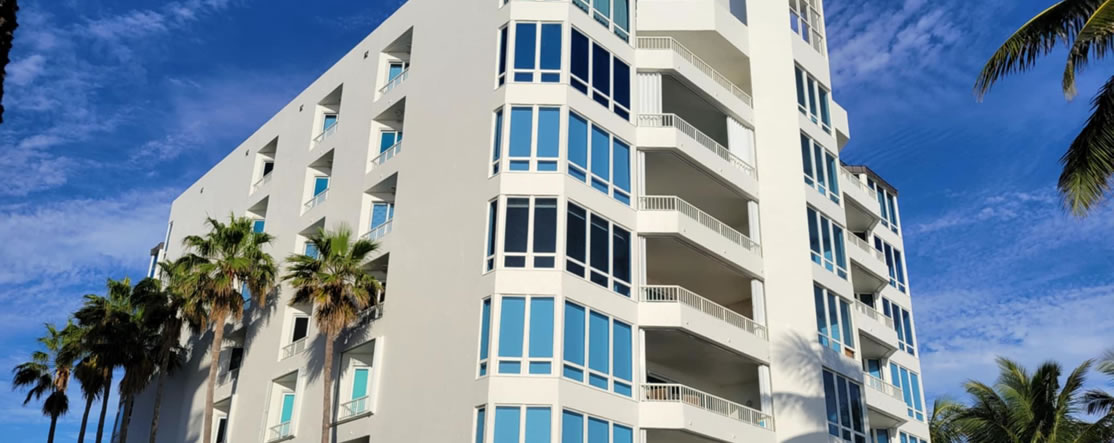
Exterior painting involves the application of paint to the outer surfaces of buildings or structures. This process aims to enhance the appearance, protect against weathering, and extend the lifespan of the exterior surfaces. It includes preparing the surface by cleaning, repairing any damage, and applying primer before the final paint coat. Exterior painting can be done using various techniques and types of paint, tailored to the specific needs and aesthetics of the structure. The primary goal is to provide a visually pleasing and durable finish that withstands environmental factors such as sunlight, moisture, and temperature fluctuations.
Expansion Joints
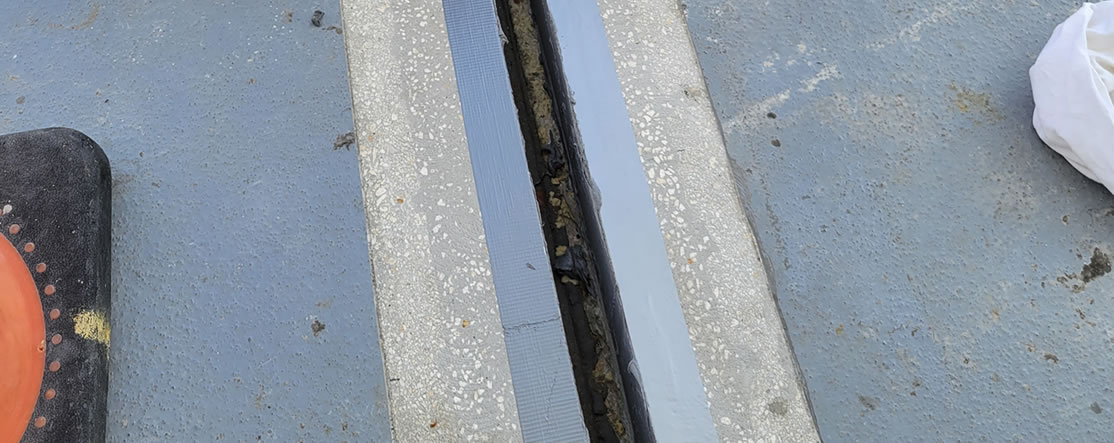
An expansion joint is a structural element designed to allow for the controlled movement of building materials due to thermal expansion and contraction, settlement, or seismic activity. These joints are strategically placed in structures such as buildings, and pavements to accommodate expansion and contraction without causing damage or structural failure. Expansion joints typically consist of flexible materials or gaps filled with compressible materials, allowing for movement while maintaining the integrity of the structure. Their purpose is to prevent the buildup of stress, cracking, or displacement in the building materials, ensuring safety, longevity, and structural stability.
Caulking
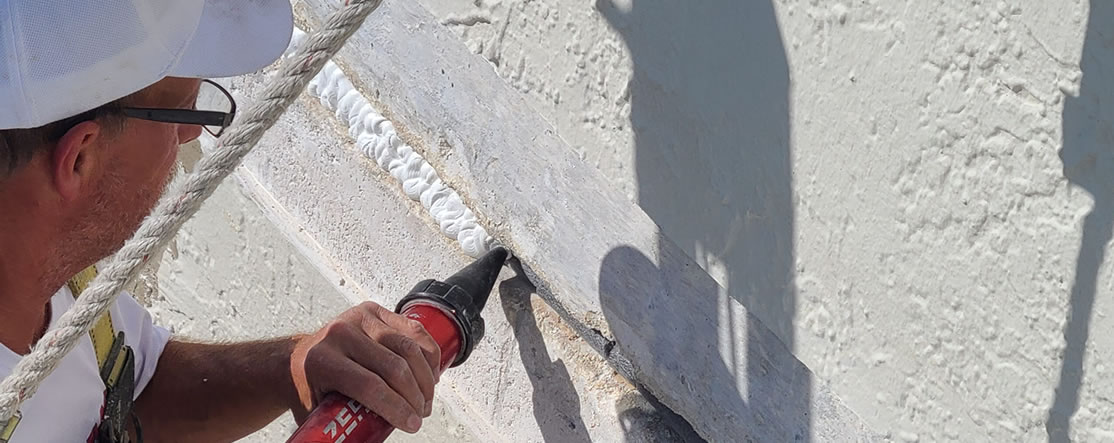
Caulking involves the process of sealing joints and gaps in various structures using a flexible material such as silicone, latex, or polyurethane-based sealants. This technique is employed to prevent the infiltration of air, water, dust, or insects into buildings or other constructions. Caulking is applied to areas where different materials meet, such as around windows, doors, pipes, and gaps between walls. It serves to improve energy efficiency, enhance weather resistance, and maintain structural integrity by filling in gaps and preventing moisture intrusion. The primary goal of caulking is to create a durable and watertight seal that protects against damage and maintains the functionality and aesthetics of the structure.
Deck Coatings
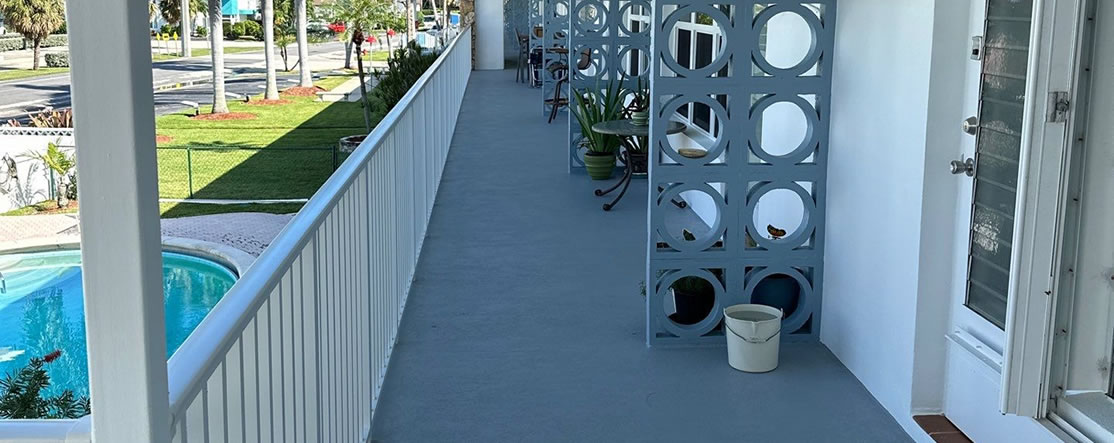
Deck coating involves applying protective layers to the surface of decks or outdoor platforms to enhance durability, weather resistance, and aesthetic appeal. This process typically includes cleaning and preparing the deck surface before applying specialized coatings such as sealants, stains, or waterproof membranes. Deck coating materials may vary based on the specific requirements of the deck and desired outcomes, including protection against UV rays, moisture, and foot traffic. The primary objective of deck coating is to prolong the lifespan of the deck, prevent deterioration from exposure to the elements, and maintain its appearance while providing a safe and functional outdoor space.
Balustrades & Railings
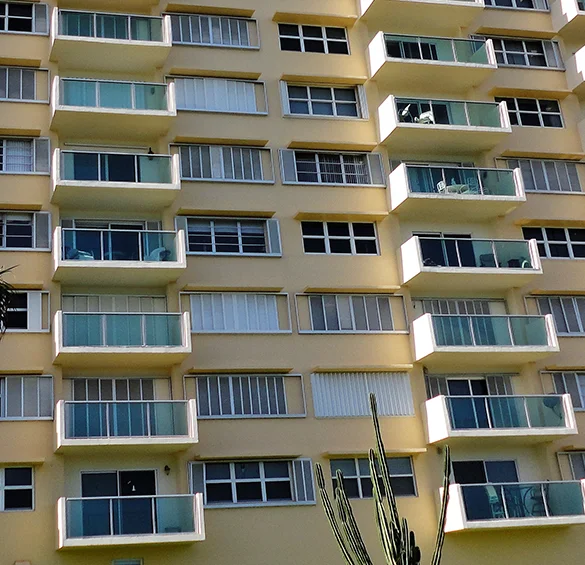
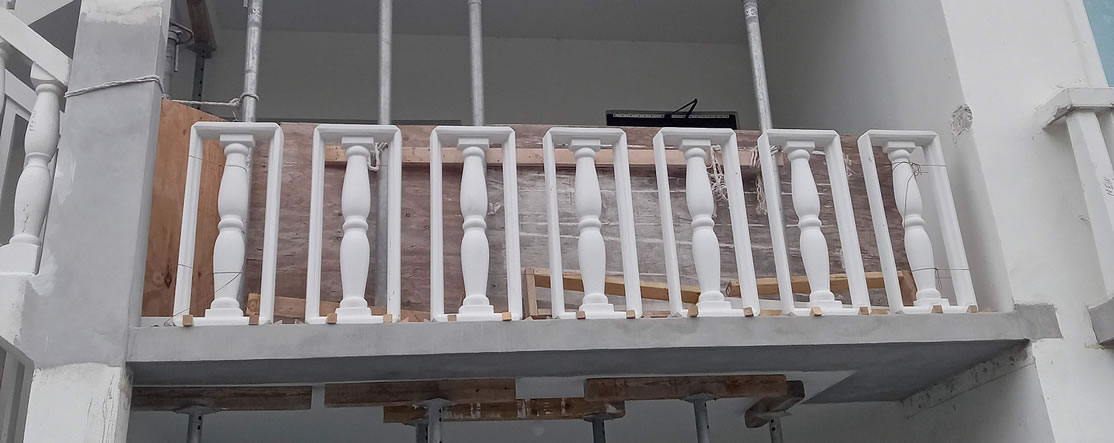
Balustrades and railings are architectural features used in buildings and structures to provide safety and aesthetic appeal. These elements consist of a series of upright posts or balusters connected by a handrail, forming a barrier along stairs, balconies, or elevated platforms. Their purpose is to prevent falls and offer support for those navigating the area. Balustrades and railings come in various materials such as wood, metal, or glass, and can be designed in different styles to complement the overall design of the space. Their primary function is to ensure the safety of occupants while enhancing the visual appearance of the structure.
Water Intrusion/Leak Detection
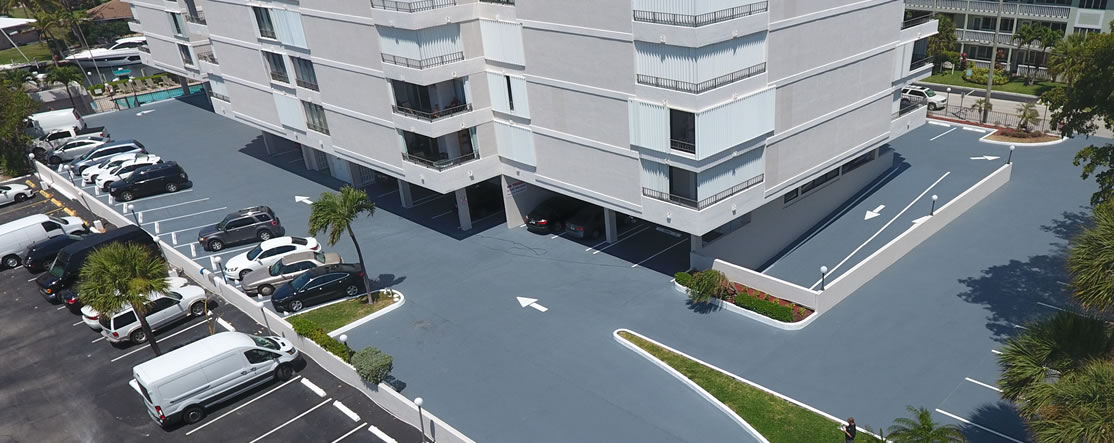
Leak detection for water intrusion involves the systematic identification and localization of areas where water is entering a structure unintentionally. This process includes the use of specialized equipment and techniques to pinpoint leaks in walls, windows, or other building components. The goal is to identify sources of water infiltration early on, preventing potential damage such as mold growth, structural deterioration, and property loss. Leak detection methods may include visual inspections, infrared thermography, moisture meters, and pressure testing. By promptly identifying and addressing water intrusion issues, leak detection helps maintain the integrity and longevity of the structure while ensuring a safe and healthy indoor environment.
Bosun Chair (caulking & minor repairs)
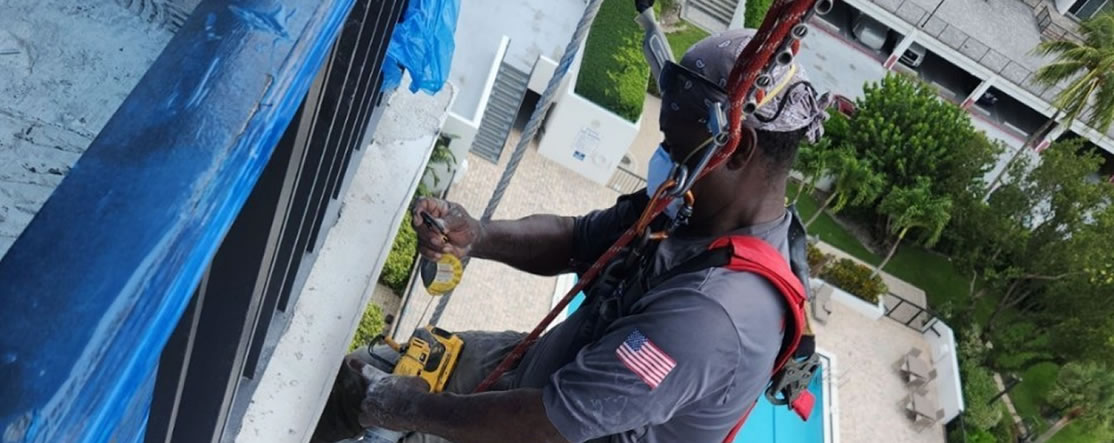
A bosun chair, also known as a boatswain’s chair, is a piece of equipment used in various industries, particularly in construction and maintenance, for working at heights. It consists of a seat suspended by ropes or straps from an overhead support, such as a scaffold, crane, or building structure. Workers wear the chair like a harness, providing support and stability while allowing them to work hands-free at elevated locations. Bosun chairs are commonly used for tasks such as painting, window sealing, minor repairs and building maintenance. They provide a safe and comfortable platform for workers to access difficult-to-reach areas, enabling efficient completion of tasks while adhering to safety regulations.
Post Tension Repairs
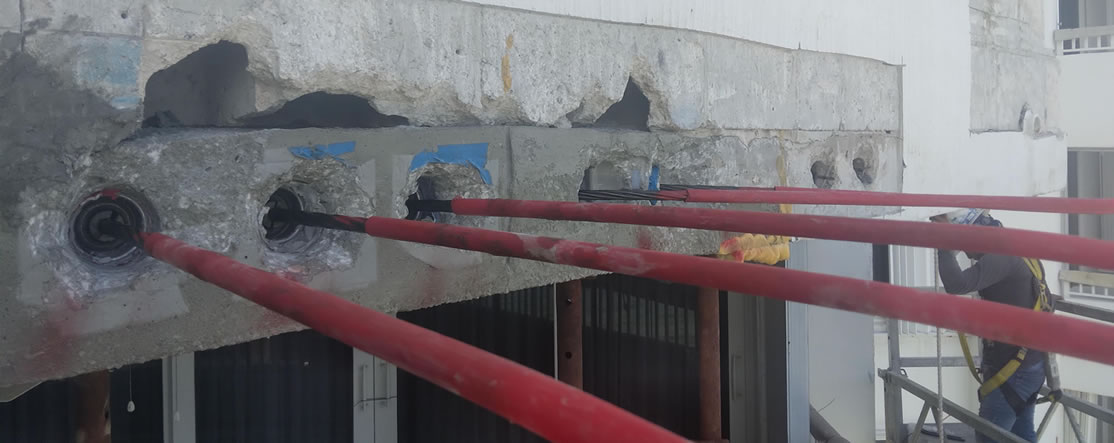
Post-tension repairs involve the process of addressing issues or damages in post-tensioned concrete structures. This typically includes identifying and repairing any damaged tendons, anchorages, or pockets within the concrete. The repair process may involve techniques such as grouting damaged areas, replacing corroded tendons, or reinforcing weakened sections to restore the structural integrity of the post-tensioned elements. Post-tension repairs aim to address any deficiencies or deterioration in the structure, ensuring its continued functionality, safety, and longevity.
Chemical Grouting/Injections
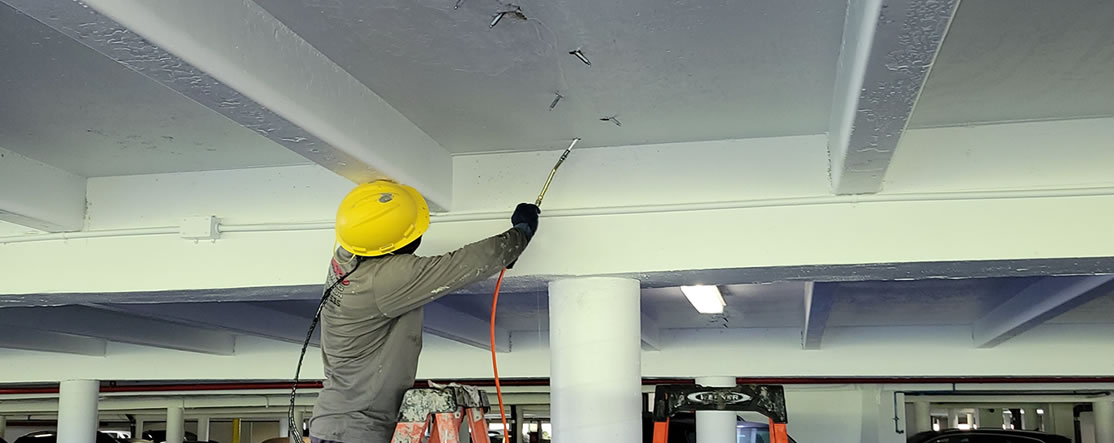
Hydrophobic grouting and epoxy injections involve specialized techniques used in construction to address waterproofing and structural issues in buildings and infrastructure. In hydrophobic grouting, a water-repellent grout is injected into cracks, joints, or voids to prevent water infiltration and enhance the structure’s resilience against moisture-related damage. Similarly, epoxy injections involve the use of epoxy resin to fill and seal cracks, providing structural reinforcement and preventing further deterioration. These methods effectively strengthen and waterproof structures such as concrete foundations, walls, and tunnels, prolonging their lifespan and mitigating the risk of water-related problems. By sealing gaps and reinforcing weakened areas, hydrophobic grouting and epoxy injections contribute to the durability, safety, and longevity of the construction while minimizing maintenance needs.

Concrete Restoration

Waterproofing

Painting

Expansion Joints

Caulking

Deck Coatings

Balustrades & Railings

Water Intrusion/ Leak Detection

Bosun Chair (Caulking & Minor Repairs)

Post-Tension Repairs

Chemical Grouting/Injections
Concrete Restoration
Concrete Restoration
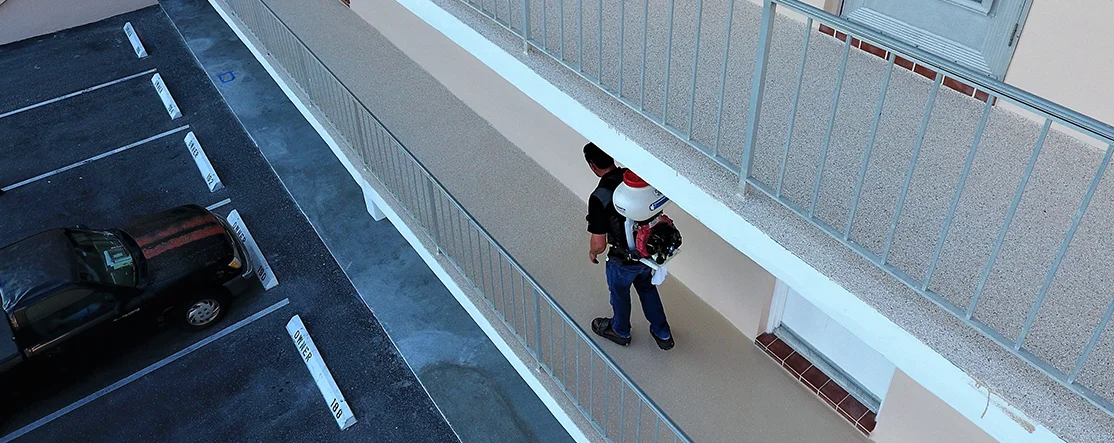
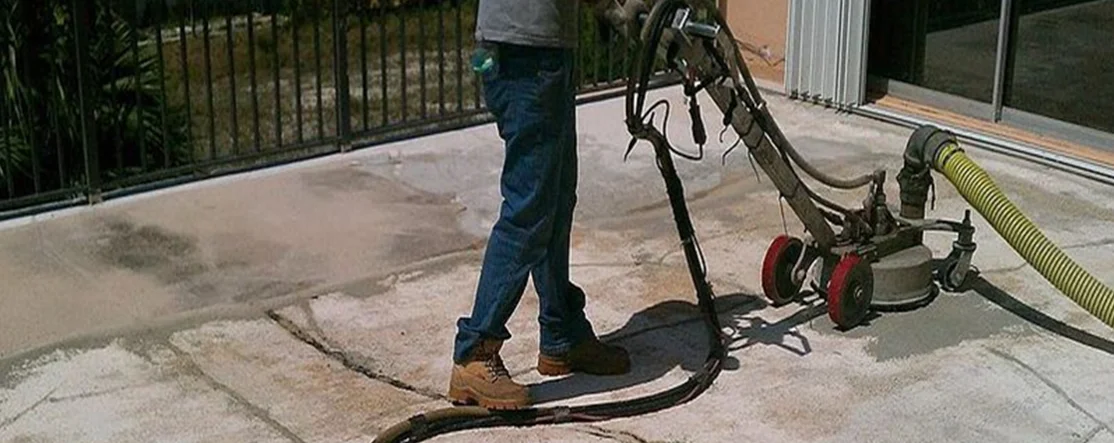
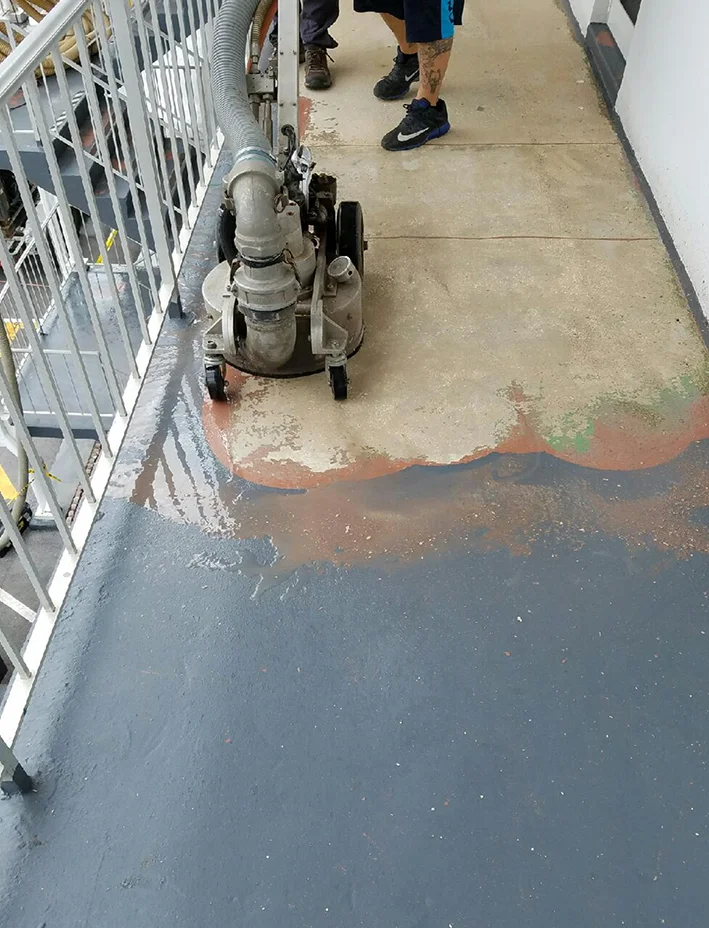
Concrete restoration involves meticulously assessing and rejuvenating deteriorated or damaged concrete structures. This comprehensive process entails identifying the extent of damage, uncovering underlying causes, and implementing suitable techniques such as patching, resurfacing, sealing, and reinforcing. The ultimate goal is to restore the concrete to its original functionality and appearance, ensuring safety, stability, and aesthetic appeal while extending its lifespan.
Waterproofing
Waterproofing
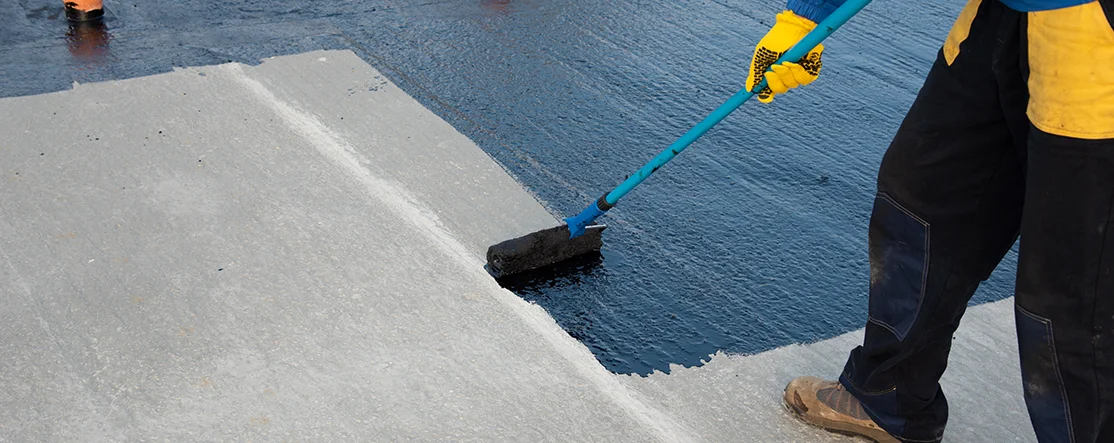
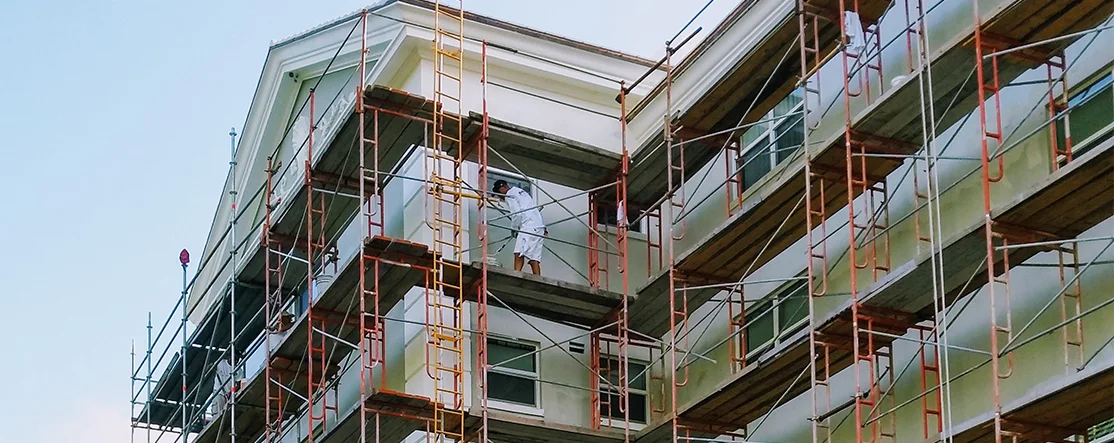
Concrete restoration involves the process of repair Waterproofing involves applying protective measures to prevent water penetration and damage to buildings or constructions. Techniques and materials create barriers against moisture, safeguarding structure integrity. Methods include membranes, coatings, sealants, and drainage systems, tailored to specific needs and conditions, aiming to mitigate risks like mold growth and structural deterioration for longevity, safety, and sustainability.iring and renovating deteriorated or damaged concrete structures.
Painting
Painting
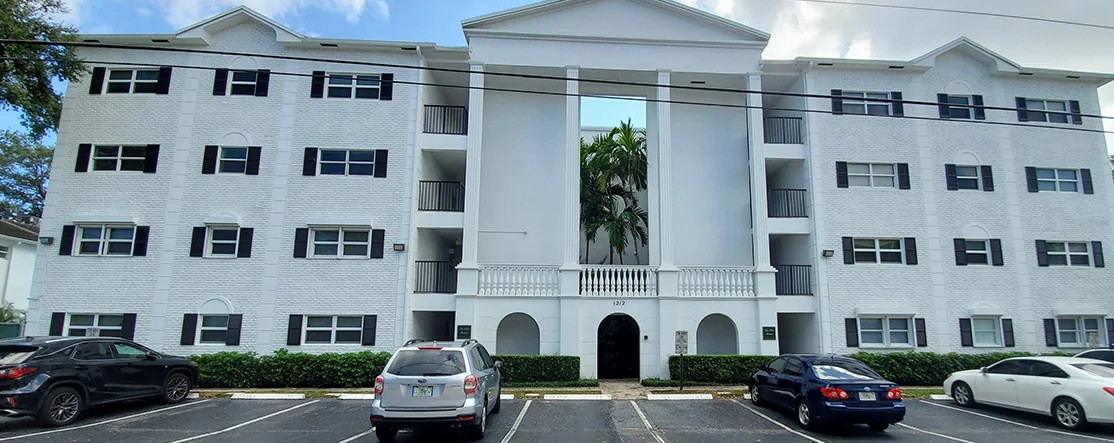
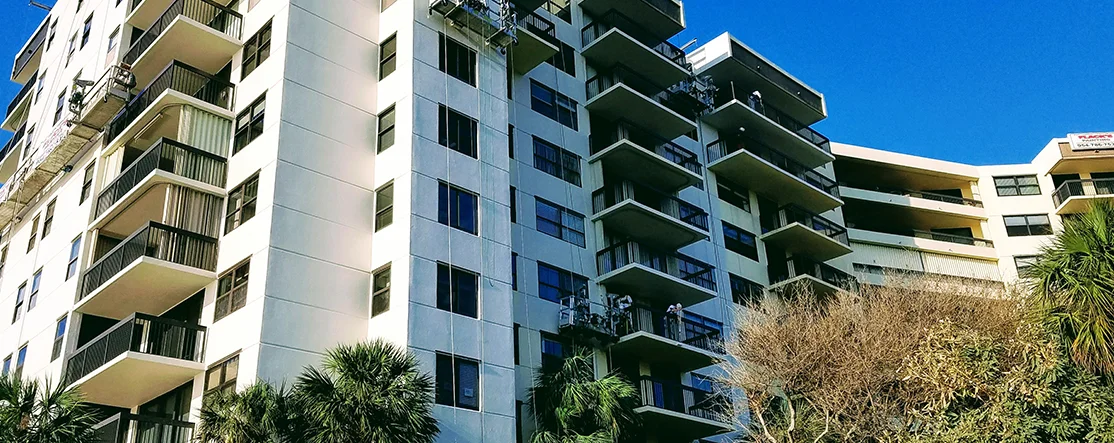
Exterior painting is a meticulous process that involves applying paint to the outer surfaces of buildings or structures. This endeavor aims to elevate appearance, shield against weathering, and extend the lifespan of exterior surfaces. It encompasses surface preparation through cleaning, damage repair, and primer application before the final paint coat. Various techniques and types of paint are utilized, tailored to the specific needs and aesthetics of the structure. The primary objective is to deliver a visually pleasing and durable finish resilient to environmental factors such as sunlight, moisture, and temperature fluctuations.
Expansion Joints
Expansion Joints
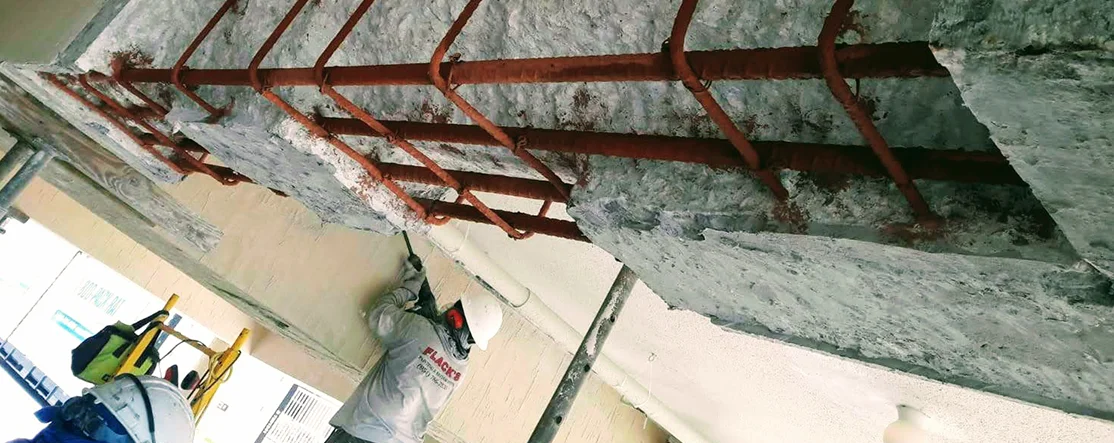
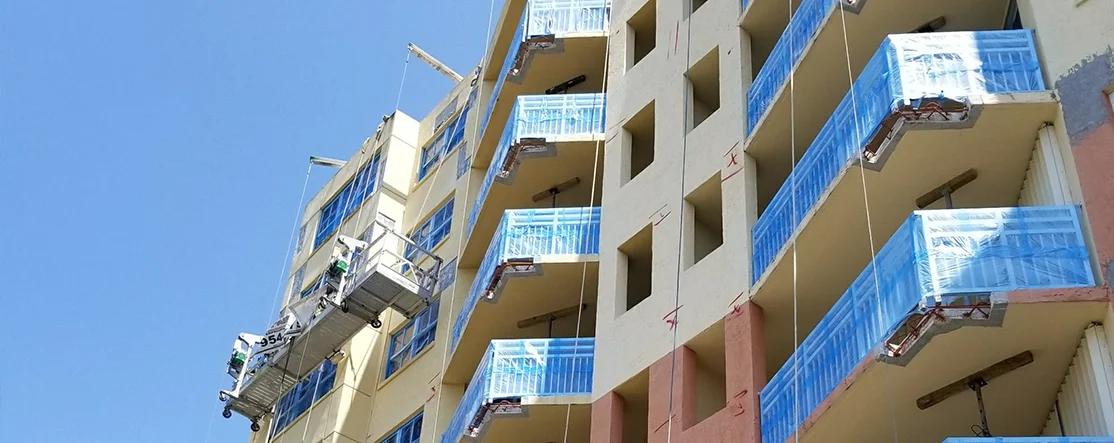
Expansion joints are strategic structural elements designed to accommodate the controlled movement of building materials due to thermal expansion and contraction, settlement, or seismic activity. These joints, typically comprising flexible materials or gaps filled with compressible materials, prevent stress buildup, cracking, or displacement in building materials. Their purpose is to maintain structural integrity while ensuring safety, longevity, and stability, particularly in buildings and pavements.
Caulking
Caulking
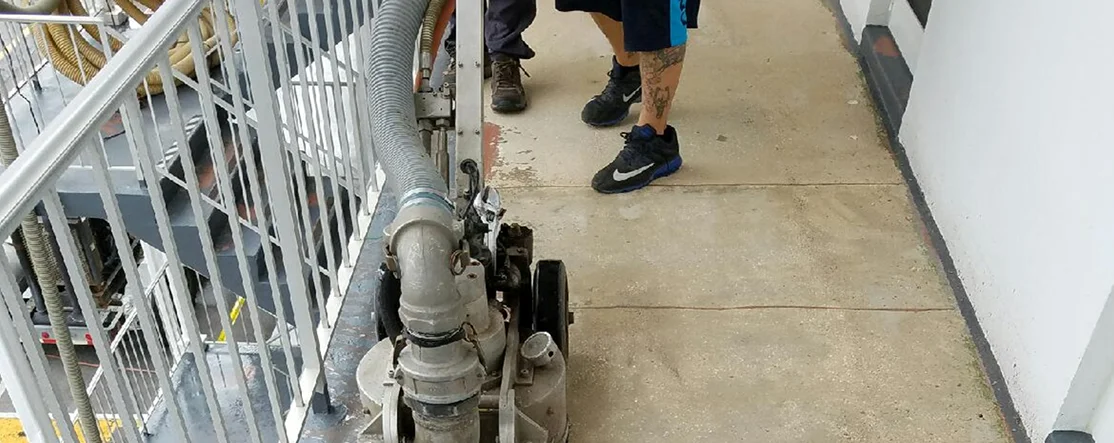
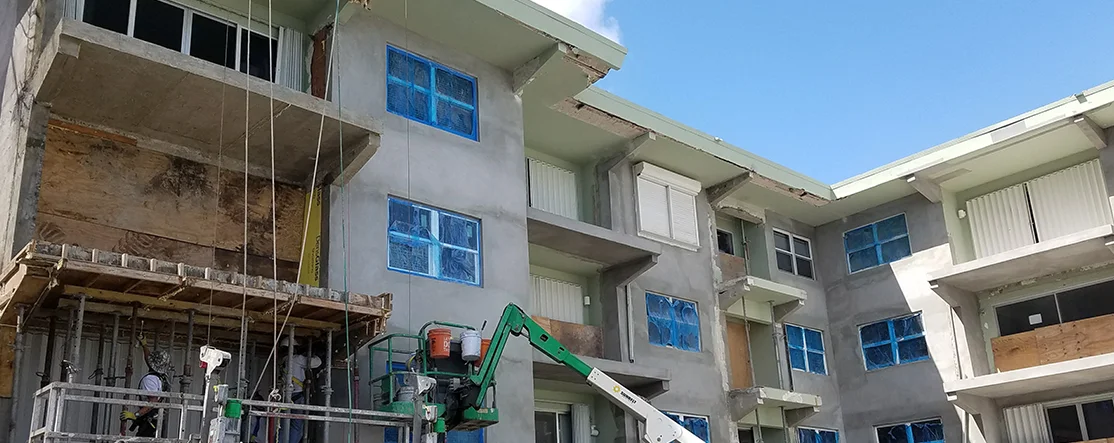
Caulking involves meticulously sealing joints and gaps in various structures using flexible materials such as silicone, latex, or polyurethane-based sealants. This technique prevents the infiltration of air, water, dust, or insects into buildings or other constructions. Caulking is applied to areas where different materials meet, such as around windows, doors, pipes, and gaps between walls, enhancing energy efficiency, weather resistance, and structural integrity. The primary goal is to establish a durable and watertight seal that protects against damage, thus maintaining the functionality and aesthetics of the structure.
Deck Coatings
Deck Coatings
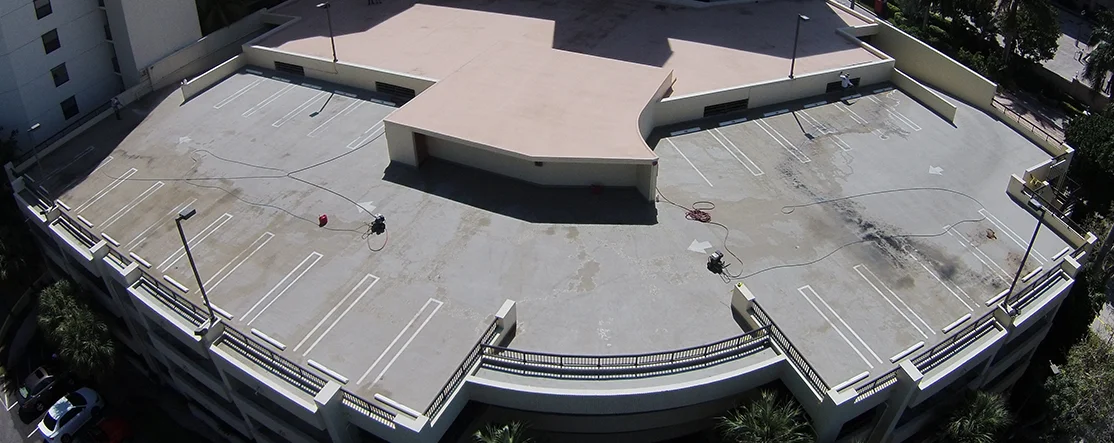
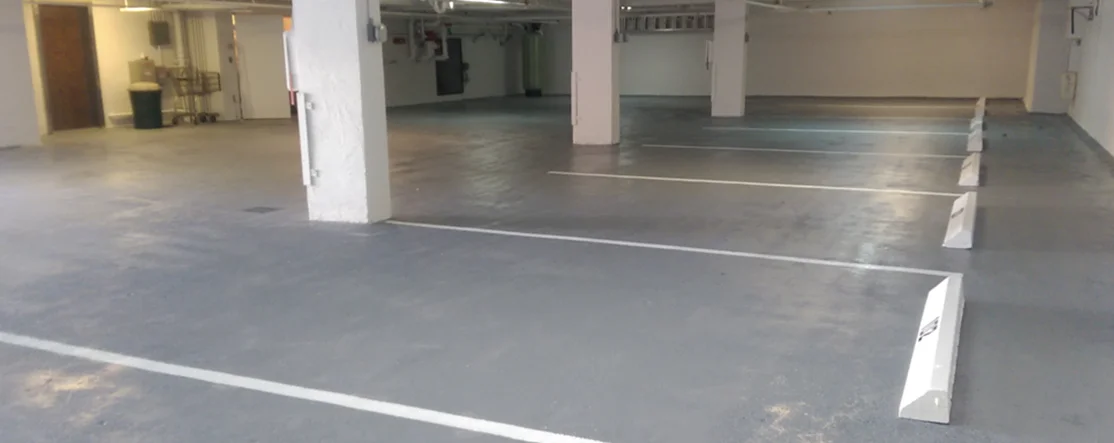
Deck coating entails the meticulous application of protective layers to the surface of decks or outdoor platforms to bolster durability, weather resistance, and aesthetic appeal. This meticulous process involves cleaning and preparing the deck surface before applying specialized coatings such as sealants, stains, or waterproof membranes. Deck coating materials vary based on specific requirements, including protection against UV rays, moisture, and foot traffic. The primary objective is to prolong the lifespan of the deck, prevent deterioration from exposure to the elements, and preserve its appearance while providing a safe and functional outdoor space.
Balustrades & Railings
Balustrades & Railings
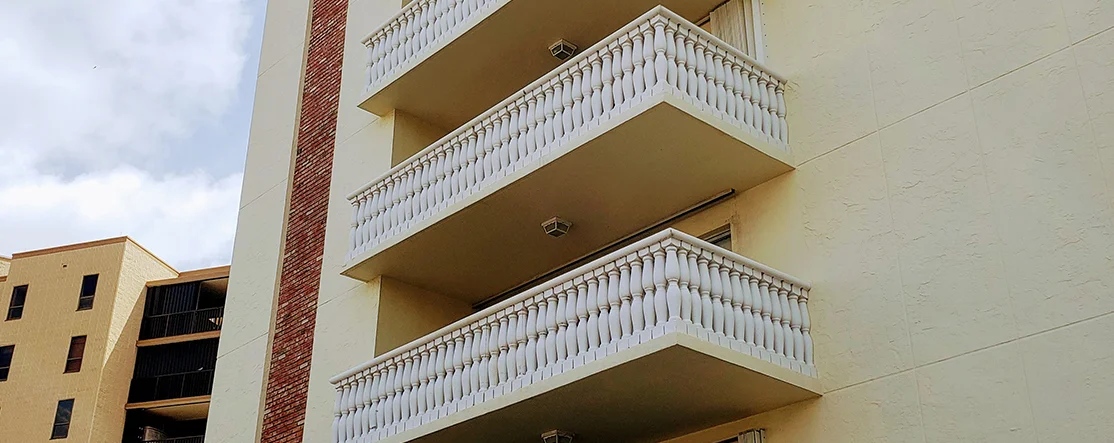
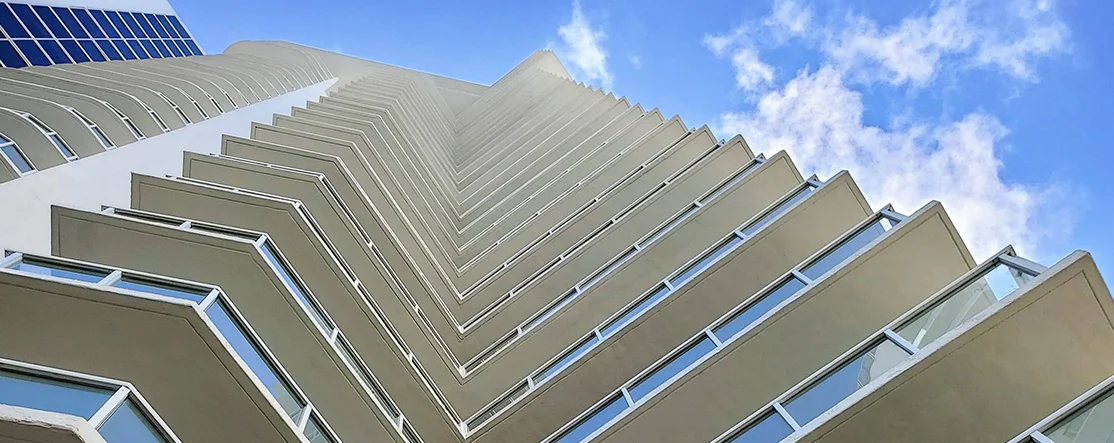
Balustrades and railings are essential architectural features utilized in buildings and structures to provide both safety and aesthetic appeal. Comprising a series of upright posts or balusters connected by a handrail, they form a protective barrier along stairs, balconies, or elevated platforms. Balustrades and railings, available in various materials such as wood, metal, or glass, come in different styles to complement the overall design of the space. Their primary function is to ensure the safety of occupants while enhancing the visual appearance of the structure.
Water Intrusion/ Leak Detection
Water Intrusion/Leak Detection
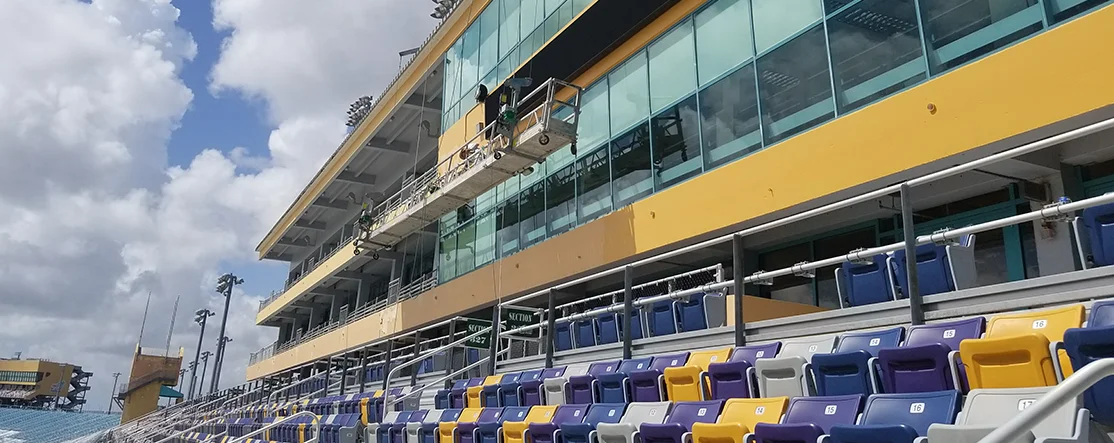
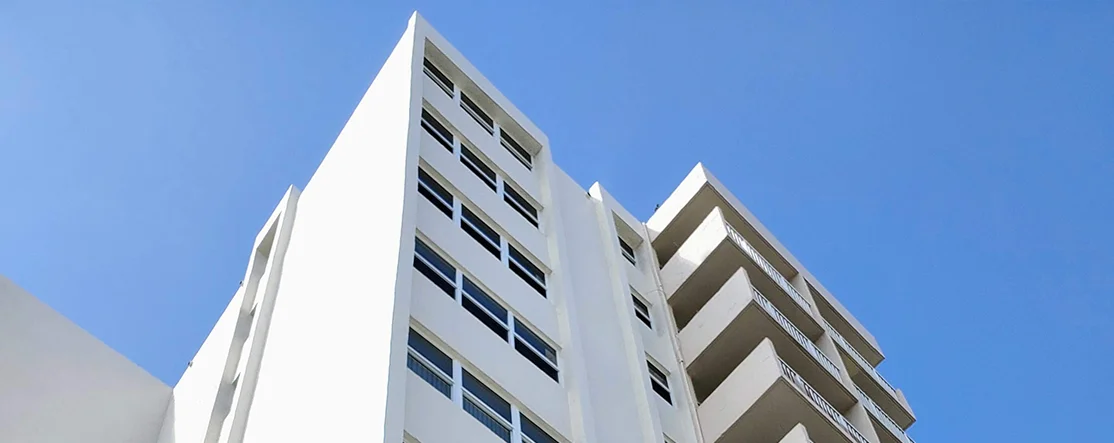
Leak detection for water intrusion is a meticulous process involving the systematic identification and localization of areas where water unintentionally enters a structure. This process employs specialized equipment and techniques to pinpoint leaks in walls, windows, or other building components. The goal is to detect water infiltration sources early on, preventing potential damage such as mold growth, structural deterioration, and property loss. Leak detection methods encompass visual inspections, infrared thermography, moisture meters, and pressure testing, contributing to maintaining structure integrity and ensuring a safe and healthy indoor environment.
Bosun Chair (Caulking & Minor Repairs)
Bosun Chair (caulking & minor repairs)
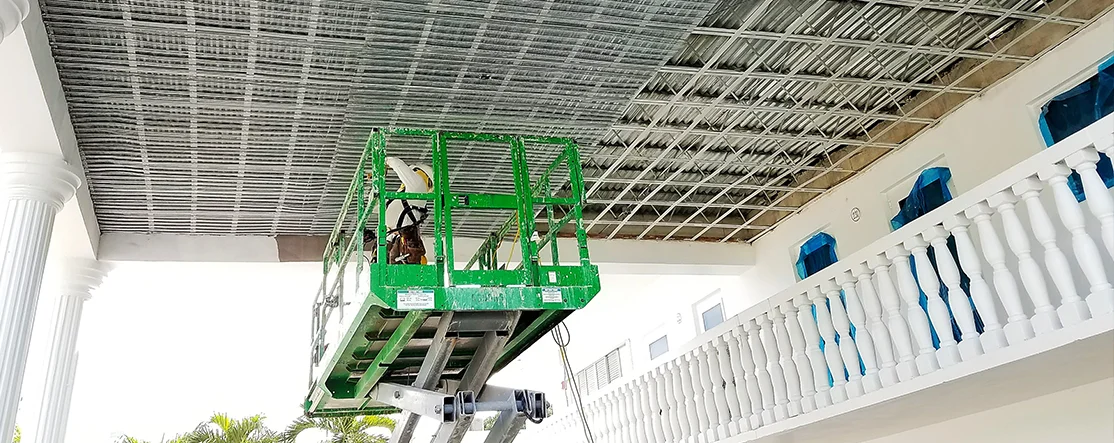
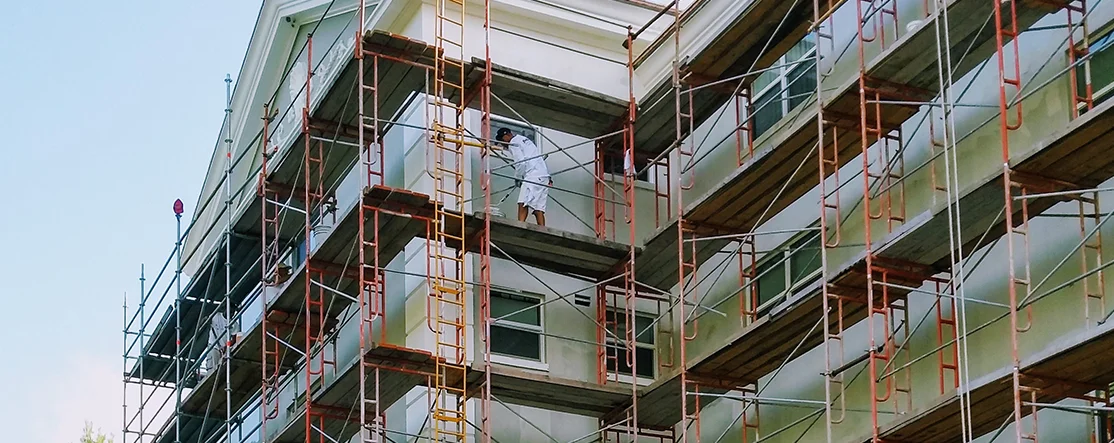
A bosun chair, also known as a boatswain’s chair, is a crucial piece of equipment utilized in various industries, particularly in construction and maintenance, for working at heights. Suspended by ropes or straps from an overhead support like a scaffold, crane, or building structure, workers wear the chair like a harness, ensuring support and stability while working hands-free at elevated locations. Bosun chairs are commonly employed for tasks such as painting, window sealing, minor repairs, and building maintenance. They provide a safe and comfortable platform for workers to access difficult-to-reach areas, enabling efficient task completion while adhering to safety regulations.
Post-Tension Repairs
Post Tension Repairs
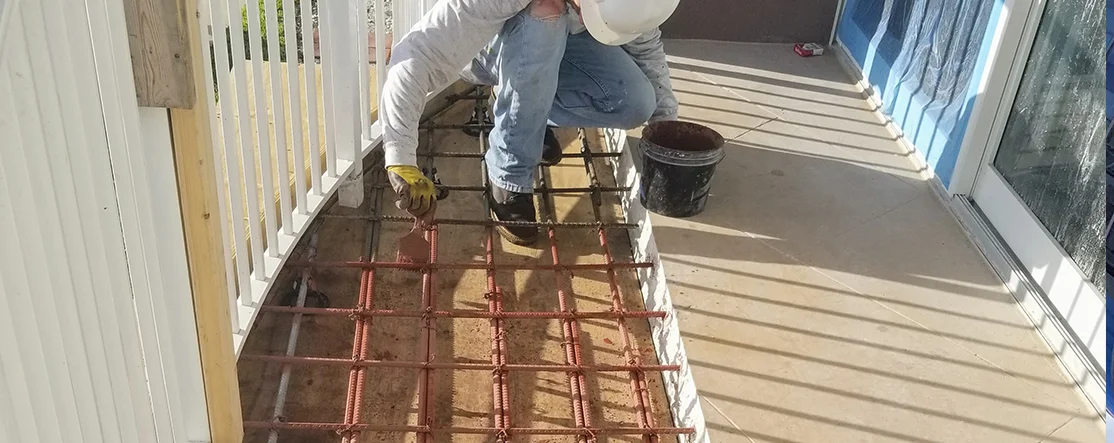
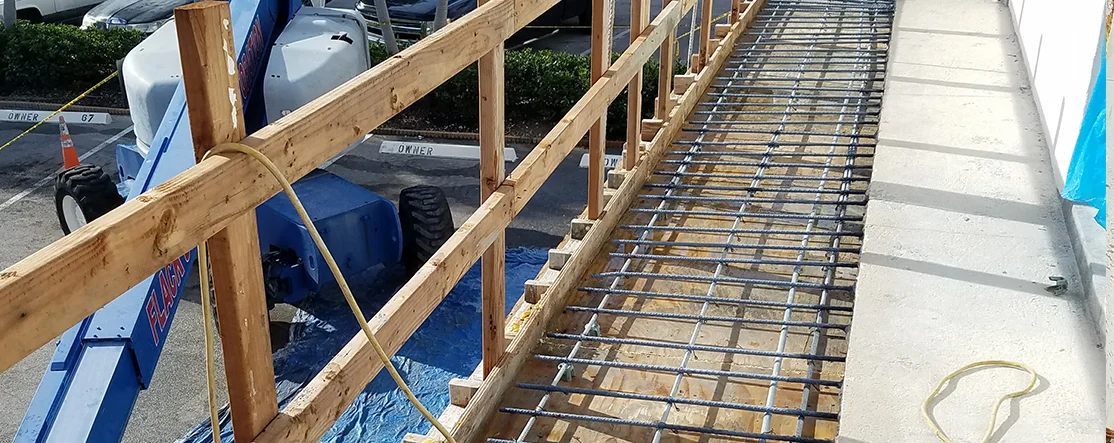
Post-tension repairs involve meticulously addressing issues or damages in post-tensioned concrete structures. This process typically includes identifying and repairing damaged tendons, anchorages, or pockets within the concrete. Repair techniques may involve grouting damaged areas, replacing corroded tendons, or reinforcing weakened sections to restore structural integrity. Post-tension repairs aim to rectify any deficiencies or deterioration in the structure, ensuring its continued functionality, safety, and longevity.
Chemical Grouting/Injections
Chemical Grouting/Injections
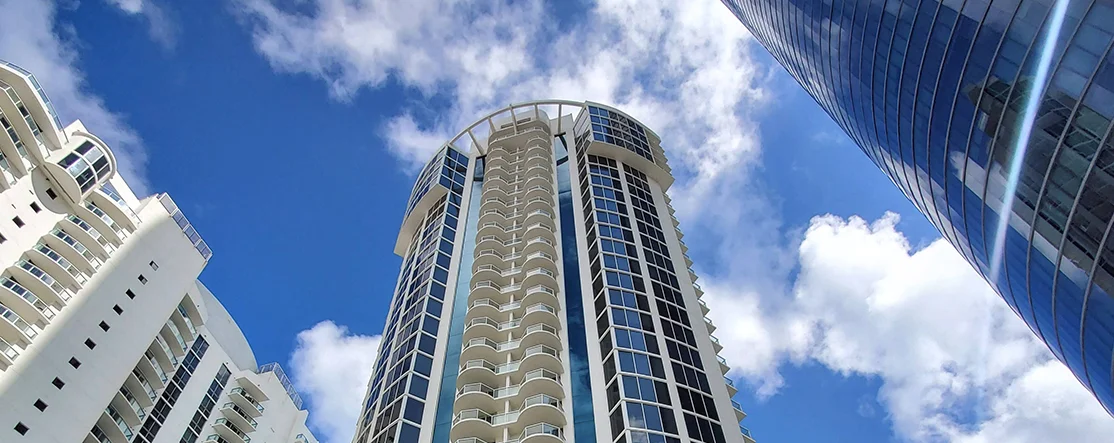
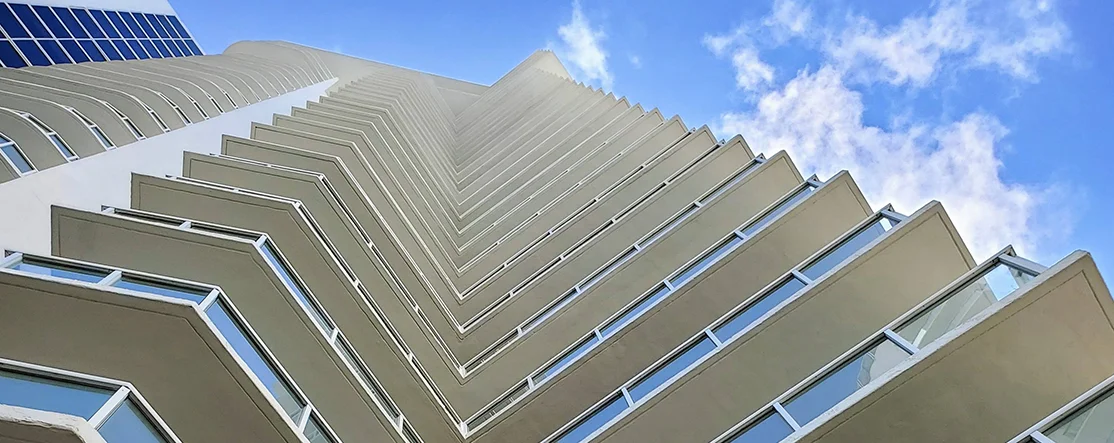
Hydrophobic grouting and epoxy injections are specialized techniques used in construction to tackle waterproofing and structural issues in buildings and infrastructure. In hydrophobic grouting, water-repellent grout is injected into cracks, joints, or voids to prevent water infiltration and enhance the structure’s resilience against moisture-related damage. Similarly, epoxy injections involve using epoxy resin to fill and seal cracks, providing structural reinforcement and preventing further deterioration. These methods effectively strengthen and waterproof structures such as concrete foundations, walls, and tunnels, prolonging their lifespan and mitigating the risk of water-related problems. By sealing gaps and reinforcing weakened areas, hydrophobic grouting and epoxy injections contribute to the durability, safety, and longevity of the construction while minimizing maintenance needs.
Exceptional Reputation, Quality Craftsmanship, Comprehensive Solutions
Clients should strongly consider hiring Flack’s Painting & Waterproofing Inc. for their building restoration needs because of our exceptional reputation, unwavering commitment to quality, and comprehensive approach to restoration projects. With over 30 years of experience and a skilled team, we possess the expertise necessary to effectively address a wide range of restoration requirements, ensuring outstanding results that consistently exceed client expectations.
Moreover, our company is dedicated to upholding the highest standards of craftsmanship, utilizing premium materials and cutting-edge techniques in all restoration endeavors. Whether it involves repairing surfaces, revitalizing exteriors, or waterproofing structures, we adhere rigorously to industry-leading practices to guarantee durability and longevity.
Furthermore, Flack’s Painting & Waterproofing Inc. takes a holistic view of building restoration, considering not only immediate needs but also long-term sustainability and functionality. Our approach factors in considerations such as environmental impact, energy efficiency, and future maintenance, ensuring that our solutions are comprehensive and enduring.
In essence, by entrusting their building restoration to Flack’s Painting & Waterproofing Inc., clients can have confidence in partnering with a trusted and reputable company committed to preserving and enhancing the value and integrity of their property.
Markets We Serve

Mid-to-High Rise Multi-Residential

Hospitality

Industrial

High-End Residential
Five-Year Warranty Guarantee
Flack’s Painting & Waterproofing Inc. warranties all painting and concrete restoration services provided by our company for five years, in addition to all manufacturer’s warranties. It includes defects in workmanship and materials, excluding damage caused by external factors beyond our control. Upon clients notifying us of any issues, we’ll remedy them at no extra cost. Our liability is limited to the cost of necessary repairs. We’re committed to ensuring client satisfaction and stand behind our work.